
I am elated to share that our article, titled Aspects of Social Engineering in Planning: A Critical Analysis, has been published in the Journal of Planning Literature!
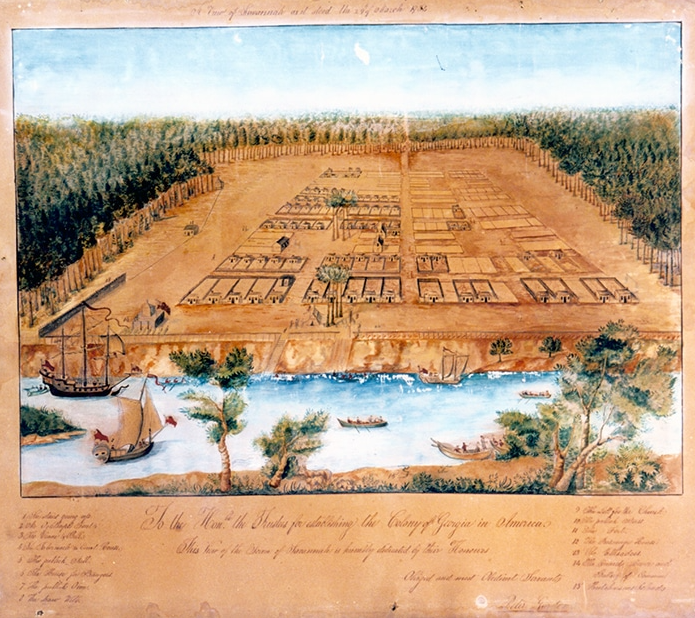
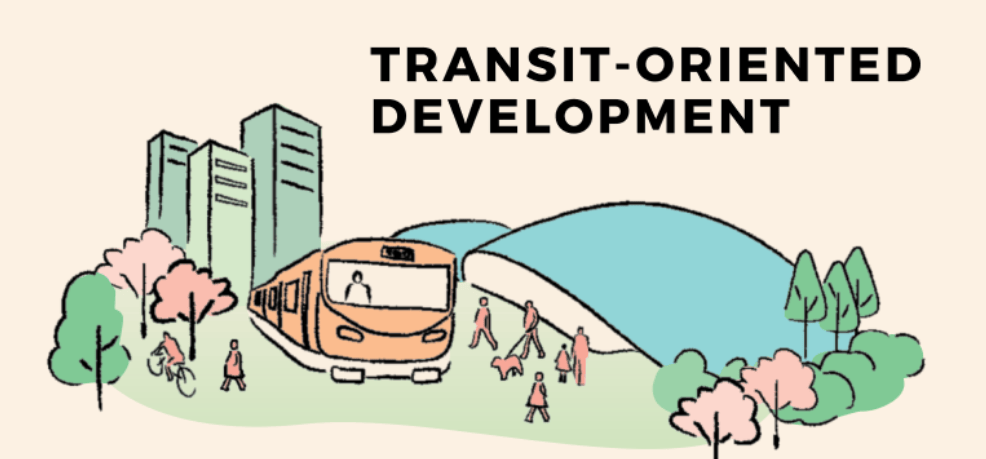
The paper critically examines planning and planning practices in light of social engineering, a contentious notion that is underutilized and undertheorized in planning. The paper highlights social engineering in planning – a deliberate, goal-oriented intent to design or influence behaviour – and connects planning’s benevolent self-image to its coercive tendencies. We trace this from early cases such as Oglethorpe’s 1973 plan for Savannah to present-day planning tools such as exclusionary zoning and transit-oriented development incentives. We also propose a five-characteristic tool for assessing whether a planning practice falls within this framework. Our work builds on critical planning theory, including neoliberal, feminist, communicative, and postcolonial perspectives, and helps expand critical planning perspectives while encouraging a reflective approach to understanding planning’s role in society.
This work began as a paper for an independent reading course I took as a master’s student at the University of Waterloo in 2012. I presented the paper at the Urban Affairs Association in 2023 and invited my friend, Gala Korniyenko, PhD, to co-author it. We enjoyed co-writing this over many Zoom sessions, at times across different time zones. Although we both primarily research disability topics, we are both passionate about planning theory. We will continue this work along the research avenues outlined at the end of the article.
I would like to end this post by saying this: never abandon the papers you wrote as a student… even the ones from a long time ago!


